Spring changes how a house feels. You open blinds more often. You notice drafts you ignored in January. You hear outside noise again when the yard comes back to life. That is why many homeowners start asking about window replacement this spring.
Spring gives you a clearer read on your windows. Winter stress has passed, and summer heat is not here yet. That timing helps. This guide breaks down the signs that point to spring window replacement, what you gain from the change, and how to decide when to replace windows in spring.
Spring brings mild days, and those days make patterns stand out. A room that never warms up. A window that sticks in its track. A frame that looks fine until sunlight hits it. The points below show why spring often becomes the season where window issues stop being easy to brush off.
Cold months can stress seals and joints. Spring light makes that damage easier to spot. You may see cracked caulk, soft trim, or fog trapped between panes. Those are not small details when comfort and energy use matter.
People expect drafts to fade once the weather warms. Drafts do not follow the calendar. Air still slips through gaps, and you feel it on a breezy March day. That steady leak can keep a room from feeling stable.
Spring temperatures sit in a safer range for indoor comfort. A crew can swap windows one opening at a time. Your home stays livable during the work. Most homeowners find the process calmer than they expected.
Do your windows slide, tilt, and lock the way they should? If the answer is no, the problem often goes past annoyance. A window that sticks can mean a swollen frame, a warped track, or a failing balance system. That same damage can weaken the seal.
Condensation on the inside glass can come from indoor humidity. Fog trapped between panes points to a failed seal. Once the seal fails, the window loses much of its insulating value. The glass can still look fine from a distance, so the issue gets missed.
Some rooms never settle. One corner feels colder than the rest in early spring mornings. Another room heats up fast on a sunny day. Many homes trace those swings to windows that no longer block outside air well.
A sudden spike gets attention. A slow climb can slip past you. Windows often play a role in that slow climb. Air leaks push heating and cooling systems to run longer than they should.
Spring gives you a buffer before hot, humid days settle in. New windows can reduce heat gain on sunny sides of the house. That can make bedrooms and living rooms feel more balanced. You stop chasing comfort with constant thermostat tweaks.
Older windows can let outside sound pass through with ease. You may hear traffic, lawn crews, or neighbors more than you want. New windows can cut that sound down, especially in rooms that face the street. Many homeowners notice the quiet first.
Moisture around sills and trim can lead to peeling paint and soft wood. That damage can spread over time. New windows with tighter seals reduce the conditions that feed that moisture. You protect the window opening, not just the glass.
Fresh windows change the outside look in a clean, simple way. Frames look sharper. Glass looks clearer. A home can look more cared for with one upgrade.
Some older windows still perform well. Some newer windows fail early after poor installation. Focus on performance. Do you feel drafts, hot spots, and cold spots? Do you struggle to open and lock the window? Those clues matter more than the year the home was built.
Start with spaces where you spend real time. Bedrooms, living rooms, kitchens, and home offices tend to show window issues first. If one room stays uncomfortable, note what the windows do there. That room can guide the scope of the project.
Do you want better comfort before June heat hits? Yes or no. If yes, spring timing helps. A spring schedule gives you time to plan, order, and install before peak summer demand.
A consultation should feel like a conversation, not a pitch. Window Depot of Annapolis keeps consultations educational and calm. Homeowners get clear pricing and clear options, then they decide what fits.
Small gaps let air pass through. Small gaps can let water in during heavy rain. A skilled crew seals the opening with the right materials for local conditions. That work helps the window perform the way it should.
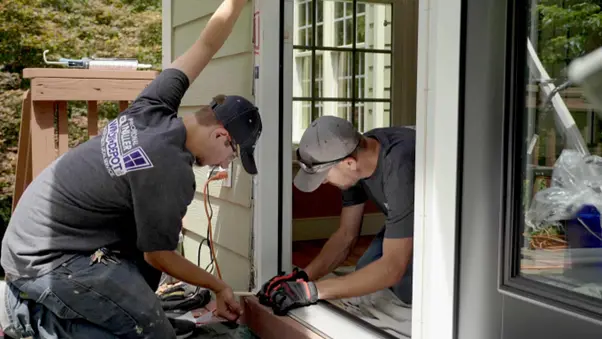
A good install moves one window at a time. That keeps indoor air stable. The crew sets up each opening, removes the old unit, and fits the new one with care. A steady pace reduces mistakes that cause leaks later.
Window work can create dust and debris. A professional crew covers floors and protects nearby furniture. They keep tools and materials organized. Homeowners feel less disruption when the site stays clean.
Spring is a good time to act on what you noticed all winter. Drafts, foggy panes, and sticky windows rarely fix themselves. A window project can bring comfort back before summer heat and humidity hit hard.