Keeping heat in isn’t that complicated, it’s basically a mix of common sense, and paying attention to spots in your house where the warmth is escaping. With just a few changes, the house feels solid again instead of drafty.
Why Insulation Matters Around Here
Cold air likes finding weak spots. Around Annapolis, a lot of houses were built long before anyone worried about energy bills. So you get gaps in odd places. Corners, attics, basement edges. The kind of leaks you don’t notice until the bill jumps.
Good insulation traps more than heat. It traps comfort. Keeps noise down too. Floors stop feeling like ice, walls stop breathing cold back at you. The furnace finally takes a break.
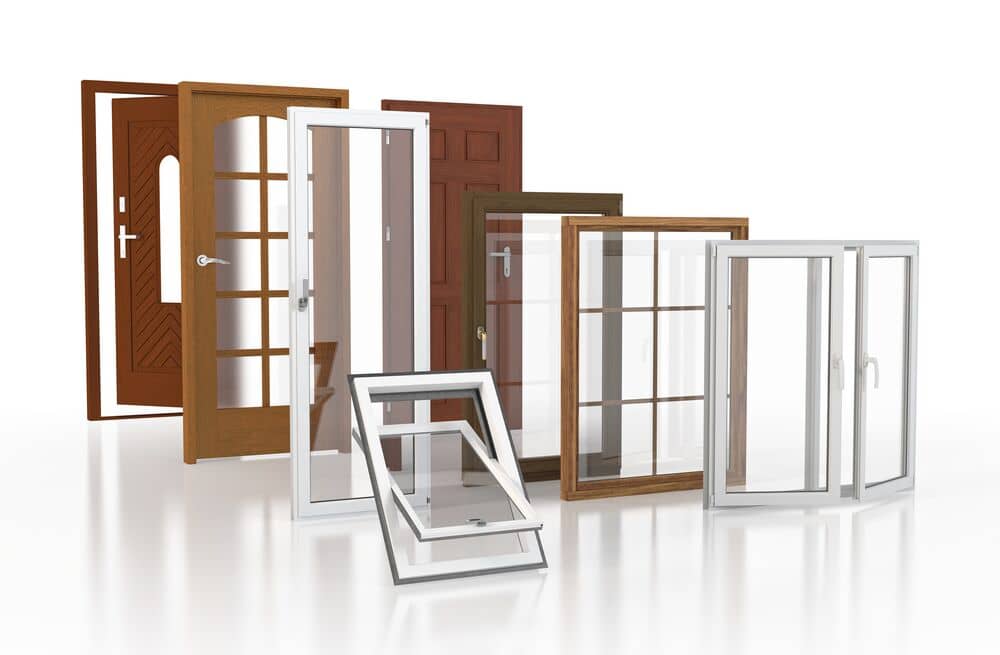
If the windows rattle or you feel that faint breeze when the wind picks up, start small. Look at energy-efficient windows in Annapolis. New glass and tighter frames go a long way.
Windows and Doors First
Everyone guesses this one, yet half of us still put it off. You can literally feel the difference standing near a bad seal. Cold air crawls in, heat leaks out, and money just follows it.
Sometimes it’s as easy as new caulk or a strip of foam. Sometimes you’ve reached the point where the glass itself is losing heat faster than you can make it. Then it’s time to swap them out.
Modern windows use insulated glass and strong frames that stop the temperature swing before it starts. They look cleaner, and your living room stops feeling like a tent when the wind blows.
If you’re curious, check out replacement windows for better insulation. It’s one of those upgrades you actually notice the same night.
Siding and Walls Hold the Line
Siding is more than decoration. It’s armor. Once it starts cracking or pulling away, the cold walks right in. The house loses heat from every direction, not just through the roof.
We’ve replaced old panels that were practically paper-thin after years of weather. New siding, especially fiber cement, changes everything. The temperature inside steadies. The outside noise drops. Even the walls feel less damp.
Homeowners around Severna Park and Annapolis tell us it’s like wrapping the house in a heavy coat. If that sounds good, read about siding installation in Annapolis. It’s worth seeing the before-and-after photos.
Check Above and Below Too
Warm air heads up, cold air sneaks low. That’s physics doing its thing. If your attic insulation is old, thin, or patchy, the heat just floats out. The basement can be the same story in reverse.
Take a flashlight, poke around. You might see bare corners or old material that’s sunk down. If you add a few rolls and fill in those gaps, you’re definitely going to feel a difference. Add a few rolls, fill the gaps, and you’ll feel the change by the next morning. Moving on to the downstairs: try and seal cracks where pipes or wiring come through (they’re tiny spots, but they add up too!).
Simple Habits that Add Up
Close the curtains at night. The thick ones help. Slide a rug over cold floors. Keep doors shut between warm and cool rooms. Small things stack up.
A smart thermostat isn’t just a gadget; it learns how you live, and it turns down when you’re asleep, and warms up before you wake. This not only saves you money, but it keeps your home at a nice steady temperature.
Nothing fancy here. Just being mindful.
When to Call for Help
There’s fixing drafts yourself, and then there’s spotting the hidden stuff behind walls or siding. That’s what local pros do best.
Bay Bath Remodel works around here every season. We know how coastal air eats at wood trim and how old insulation sags in attic corners. We check windows, siding, airflow, everything that touches heat loss.
You can read the national standards at Energy Star if you like, but local experience is what keeps a Maryland home warm when the wind changes.
Staying Warm for the Long Haul
Winter doesn’t care if you’re ready or not. It just shows up. The wind gets under the siding, the floors go cold, and everyone ends up arguing over who touched the thermostat again.
You can’t stop the season, but you can stack the odds in your favor. Seal what you can. Upgrade what’s tired. A tighter house means the heat stays where you paid for it to stay. Sometimes that’s all it takes.
The payoff shows up quietly. The rooms stop feeling uneven. The furnace stops roaring every hour. The house starts sounding different too. Softer somehow.
If you’re tired of chasing the same drafts every year, call Bay Bath Remodel. We’ll take a walk through the place, spot the usual suspects, and tell you straight what’s worth fixing first. No big pitch, just a plan to get the warmth to stick this time.